

In the ever-complicated world of online gambling, many Swedish players find themselves considering casinos that operate without a Swedish license. This decision stems from various factors, including the allure of greater bonuses and a broader selection of games. However, it’s crucial to weigh these benefits against the potential risks involved. This article explores these aspects in detail, providing a comprehensive analysis based on verified data and industry insights.
Understanding the Swedish Gambling Market
Sweden’s gambling market is strong and well-regulated under the supervision of Spelinspektionen, the Swedish Gambling Authority. According to the authority, Sweden’s gambling market revenue reached SEK 7.02 billion in Q2 2025, marking a 1.9% increase from the previous year. Online gambling is particularly significant, accounting for over 64% of the total gambling revenue in 2024. Despite this, the channelisation rate—representing the share of gambling through licensed operators—stands at 85%, falling short of the 90% target set by regulators. This gap highlights the prevalence of unlicensed gambling activities within Sweden.
The rise in online gambling can be attributed to several factors, including convenience and the variety of options available to players. However, the presence of unlicensed operators presents both opportunities and challenges for Swedish players seeking alternatives outside the regulated market.
Benefits of Playing at Unlicensed Casinos
One of the primary attractions of unlicensed casinos is the potential for more lucrative bonuses and promotions compared to their licensed counterparts. In Sweden, strict regulations limit the types of bonuses that licensed casinos can offer. This regulatory environment often pushes players towards unlicensed casinos that promise more generous rewards.
Furthermore, unlicensed casinos may provide a broader selection of games. Licensed casinos in Sweden must adhere to specific guidelines that can limit the diversity of games offered. In contrast, unlicensed platforms often host a wide array of games from various international developers, providing players with more choices.
Players also find appeal in the perceived anonymity offered by unlicensed casinos. These platforms often have less stringent identity verification processes, which some players view as an advantage in maintaining privacy.
Risks Associated with Unlicensed Gambling
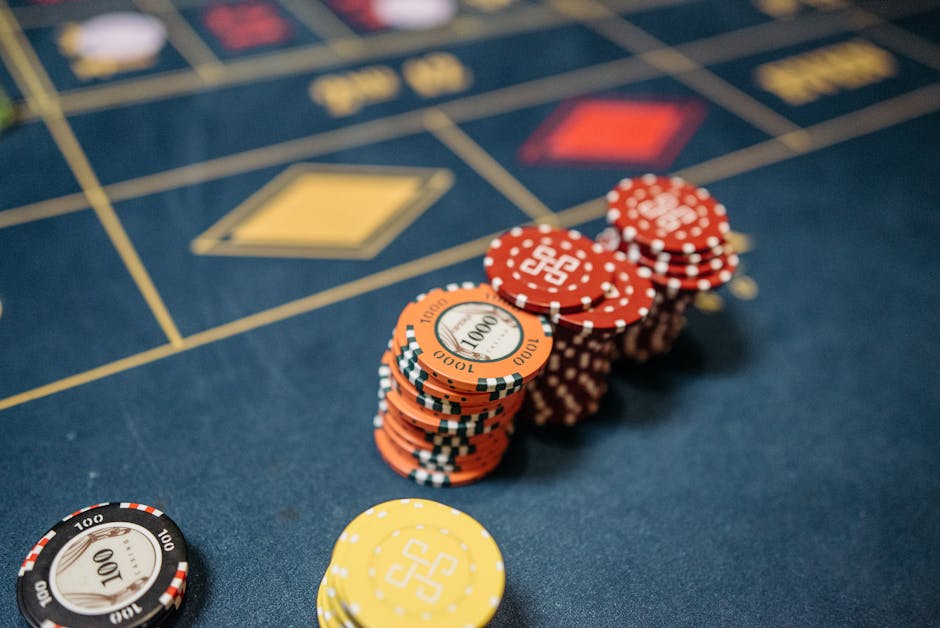
Despite these benefits, there are significant risks involved in playing at unlicensed casinos. The lack of regulation means there is no guarantee of fair play or protection for players. In Sweden, licensed operators are required to ensure that their games are fair and that player data is protected. Unlicensed operators are not bound by these regulations, potentially exposing players to fraud and data breaches.
Moreover, players may encounter issues with payment processing when using unlicensed casinos. Swedish banks and payment providers often block transactions to and from these sites, making it difficult for players to deposit or withdraw funds.
Another critical risk is the absence of consumer protections. Licensed casinos are subject to oversight by Spelinspektionen, ensuring that they adhere to standards that protect players’ interests. This includes mechanisms for dispute resolution and access to responsible gambling resources. These safeguards are typically not available with unlicensed operators.
Legal Implications and Tax Considerations
While playing at unlicensed casinos is not illegal for Swedish players, it does come with certain legal implications. According to industry sources, playing on these platforms is permissible; however, winnings may be subject to taxation depending on the player’s circumstances and the jurisdiction in which the casino operates.
Players should be aware that winnings from casinos based outside the European Economic Area (EEA) may be taxable under Swedish law. This contrasts with winnings from casinos within the EEA, which are generally tax-free due to agreements between member states.
Swedish players considering unlicensed options should consult with tax professionals to understand their obligations and ensure compliance with local laws.
Responsible Gambling and Player Safety
Responsible gambling is a cornerstone of Sweden’s regulated market, with initiatives such as Spelpaus enabling players to self-exclude from all licensed operators. This system reported around 125,000 self-exclusion registrations in Q1 2025, underscoring its importance in protecting vulnerable players.
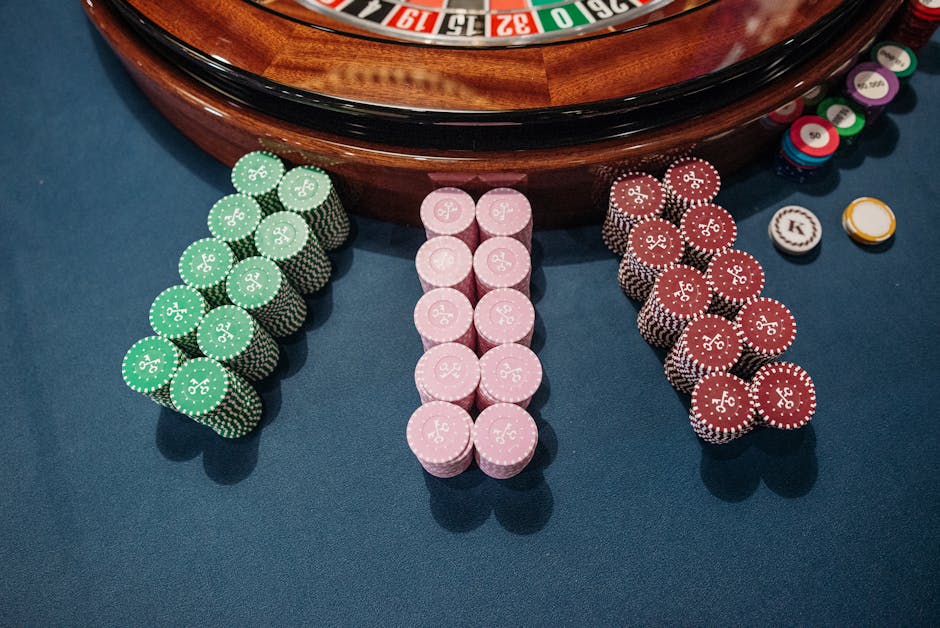
Unlicensed casinos do not participate in Spelpaus or similar programs, potentially putting players at risk if they struggle with gambling addiction. Therefore, it’s crucial for players to implement self-imposed limits and seek resources like GamCare or BeGambleAware if needed.
Comparison of Popular Games
For those considering both licensed and unlicensed casinos, understanding game mechanics and odds is essential. Below is a comparison table of popular casino games with their respective house edges and RTP (Return to Player), providing insights into what players might expect.
| Game | House Edge | RTP | Best For | Speed |
|---|---|---|---|---|
| Blackjack | 0.5% | 99.5% | Strategy Players | Fast |
| Baccarat (Banker) | 1.06% | 98.94% | Low House Edge | Moderate |
| Craps (Pass Line) | 1.41% | 98.59% | Dice Enthusiasts | Fast |
| European Roulette | 2.7% | 97.3% | Classic Game | Moderate |
| Video Poker (Jacks or Better) | 0.46% | 99.54% | Poker Lovers | Fast |
| Slots (average) | 2-15% | 85-98% | Variety Seekers | Variable |
| Keno | 25-40% | 60-75% | Casual Play | Slow |
This table serves as a reminder that understanding the game dynamics can significantly influence one’s gaming experience and potential returns.
Responsible Gambling Measures
Gambling should always be approached with caution, recognizing its inherent financial risks. Players are encouraged to set limits on deposits and stick to pre-determined budgets to avoid financial distress. Resources such as BeGambleAware (0808 8020 133) and GamCare (0808 8020 133) provide support for those who may need it.
Additionally, tools like digitalconnectmag utan svensk licens offer insights into choosing safer alternatives when exploring unlicensed options.
Conclusion
Playing at casinos without a Swedish license presents both attractive opportunities and significant risks for Swedish players. While these platforms might offer more rewards and diverse gaming experiences, they lack the regulatory safeguards provided by licensed operators. Players must carefully consider these factors, ensuring they stay informed about legal implications and prioritize responsible gambling practices to safeguard their wellbeing.